Madeira Travel Tips – Incredible Things To Do On The Island Of ‘Eternal Spring’

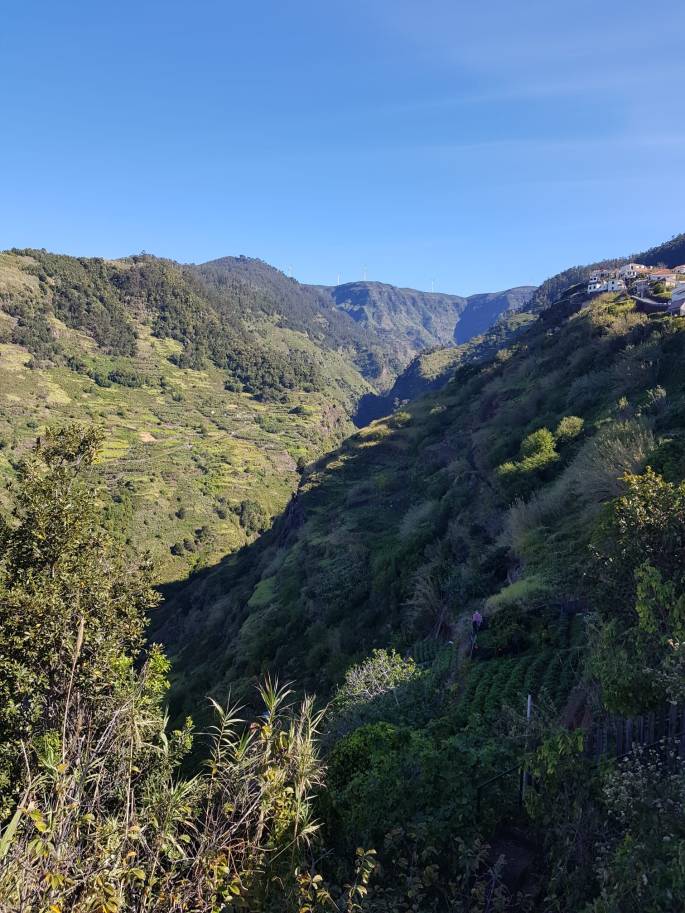
The island of Madeira lies in the midst of the deep blue Atlantic off the northwest coast of Africa. This volcanic island enchants visitors from around the world with its rugged mountains, mild climate, picturesque coastlines, and lush green landscapes. It’s no wonder it’s called the “Hawaii of Europe” and the “Island of Eternal Spring.”

In this blog post, we’ll take a look at some of the best activities this island has to offer. From impressive hikes along the Levada to dolphin and whale watching on the high seas, to witnessing breathtaking sunrises from the third-highest peak in Madeira.

Whether you’re a nature lover, an adventure seeker, or simply looking to unwind, Madeira has something for everyone. Let me share this adventure with you and give you some ideas for an unforgettable vacation!

Hikes along the levada

Madeira is a paradise for avid hikers. The most popular routes follow the Levada, artificially constructed water channels that distribute rainwater to agricultural areas. These Levada stretch across the entire island, offering approximately 1000 km of hiking trails and ample diversity for hiking enthusiasts. During my first visit to the island in April 2024, I explored three of the official hiking trails: Levada Nova, Levada das 25 Fontes, and Levada do Caldeirão Verde.

Levada Nova (PR 7) – Levada do Moinho [Ponta do Sol]

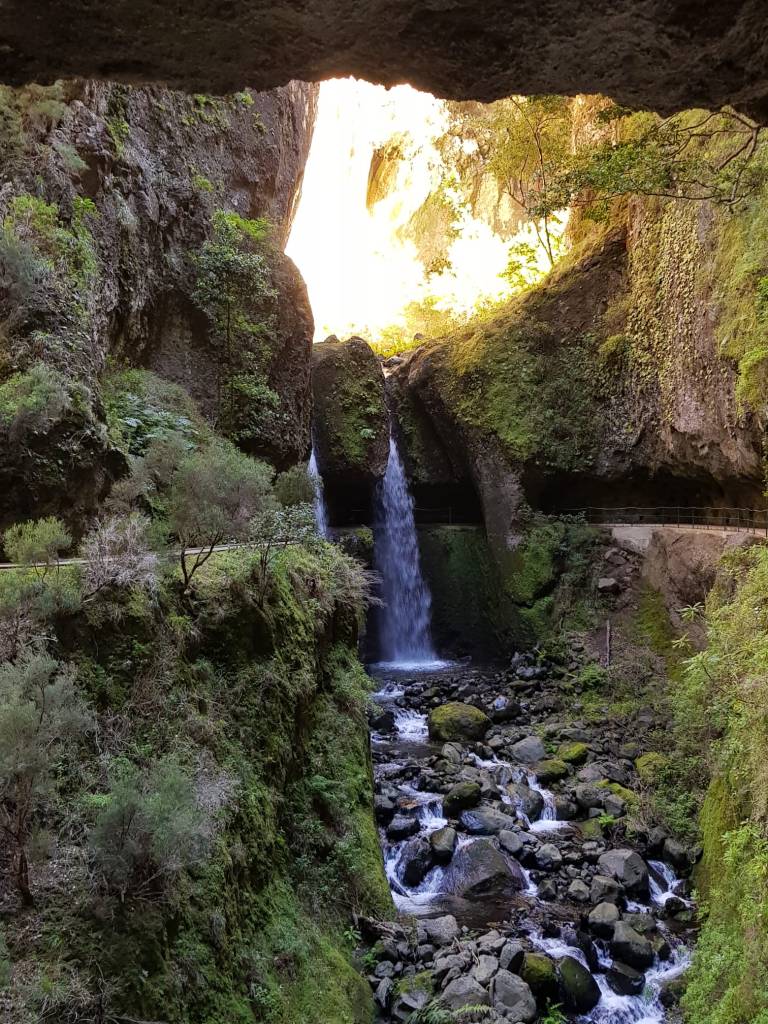
This round trip hiking trail offers a breathtaking view of Madeira’s natural beauty. The trail leads through a tunnel, for which a flashlight is of advantage, and along a waterfall behind which you can walk. So, watch out for wet feet!

  • Type: Round trip
  • Distance: 8,9 KM
  • Duration: approx. 4 hours
  • Starting Point: Igreja da Lombada
  • End Point: Igreja da Lombada

The route starts and ends directly behind the Igreja da Lombada and with some luck a free parking spot is available in front of the curch. Otherwise, parking is free in the surrounding streets, and you can walk the short distance to the church. It’s ideal to start this hike in the morning or late afternoon, just like with the other Levada walks, to avoid the crowds and enjoy the scenery. I rate the Levada Nova – Levada do Moinho route as an easy hike with level and well-maintained paths. However, it should be noted that not the entire path is secured and it can get narrow in some places if you meet other hikers. Therefore, this route is more suitable for those who are sure-footed and not afraid of heights.

Tip: The Levada Nova ends at the metal staircase, which you then descend to reach the Levada do Moinho and begin the return journey to the church. (I’m mentioning this for a specific reason, as you’ll learn in the next paragraph).
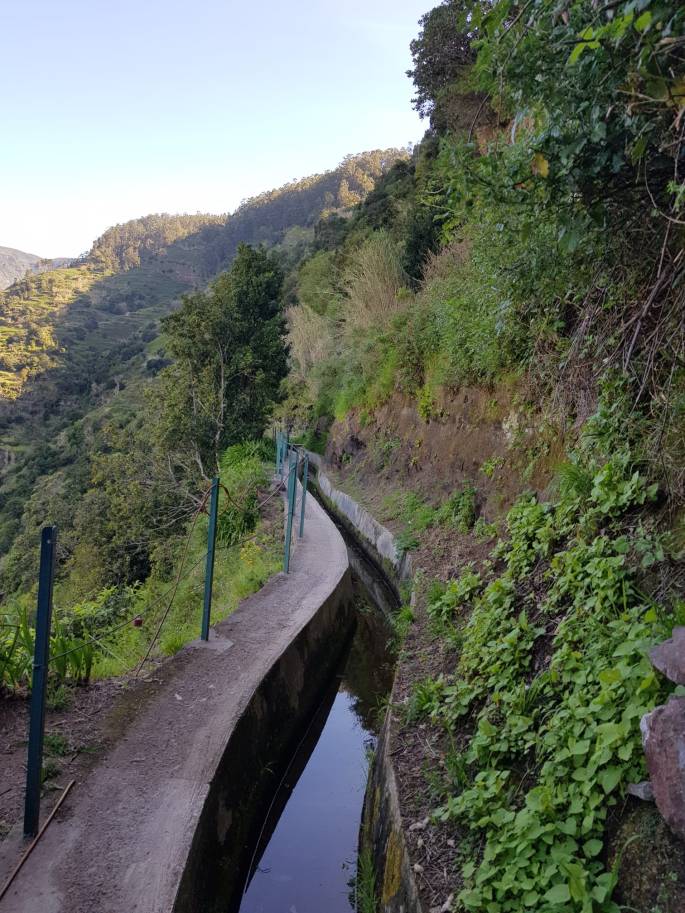
The path stretches along the lush nature of Madeira, offering truly fantastic views. Walking through one of the tunnels for the first time with a flashlight was an experience. My personal highlight was the waterfall, where I definitely got wet feet. But how often can you say that you’ve stood behind a waterfall?! Although I’ve mentioned the route via Levada do Moinho here, this isn’t the path my friend and I took during our visit. Instead of descending the metal staircase, we continued along the path and eventually reached a river that we could cross without any difficulty. Determined to take a circular route that seemed to go on on the other side of the river, we continued our journey. After a while, we crossed a bridge and could see the church at the foot of the mountain. However, there seemed to be no designated hiking trail, so we wandered through a banana plantation and eventually climbed the entire mountain to the church along a steep footpath. We must have looked quite amusing when we, sweaty and with flushed faces, ordered drinks at the small kiosk next to the church while the other visitors still looked fresh and rested. Well, we learned our lesson, and next time we’ll do better research and read an article about the hike (like this one, for example).
Levada das 25 Fontes (PR 6) – [Rabaçal]

The hike begins with the journey through the longest tunnel of the three routes listed here. Afterwards, it leads through enchanting flora characterized by gnarled trees, small springs, and breathtaking views of Madeira’s lush greenery

  • Type: One-way
  • Distance: 4,3 km (8,6 km both ways)
  • Duration: approx. 1,5 hours (3 hours both ways)
  • Starting Point: Rabaçal (ER105)
  • End Point: 25 Fontes / (Rabaçal (ER105), both ways)
The perfect starting point for the hike was the “Parque de estacionamento Levada 25 Fontes” parking lot, where parking is free. On the day of our visit, we arrived around 10:30 a.m. and had no trouble finding a spot. Later in the day, parking along the street is also possible, although traffic can become somewhat chaotic. Since we were blessed with summery temperatures during our April vacation, we opted for an early start when the temperatures were pleasant. As mentioned earlier, this hike begins with passing through a tunnel that is approximately 900 meters long, so I highly recommend bringing a proper flashlight. Our mobile phones struggled to light up the tunnel, and occasionally we stepped in deep puddles and got our feet wet again.
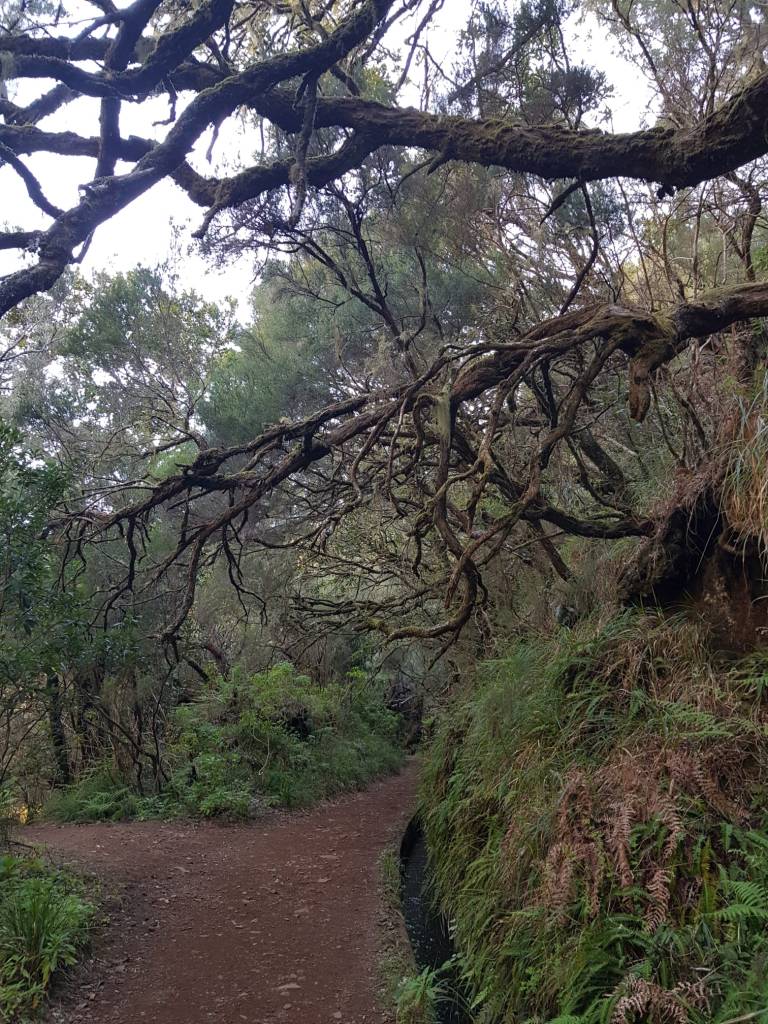
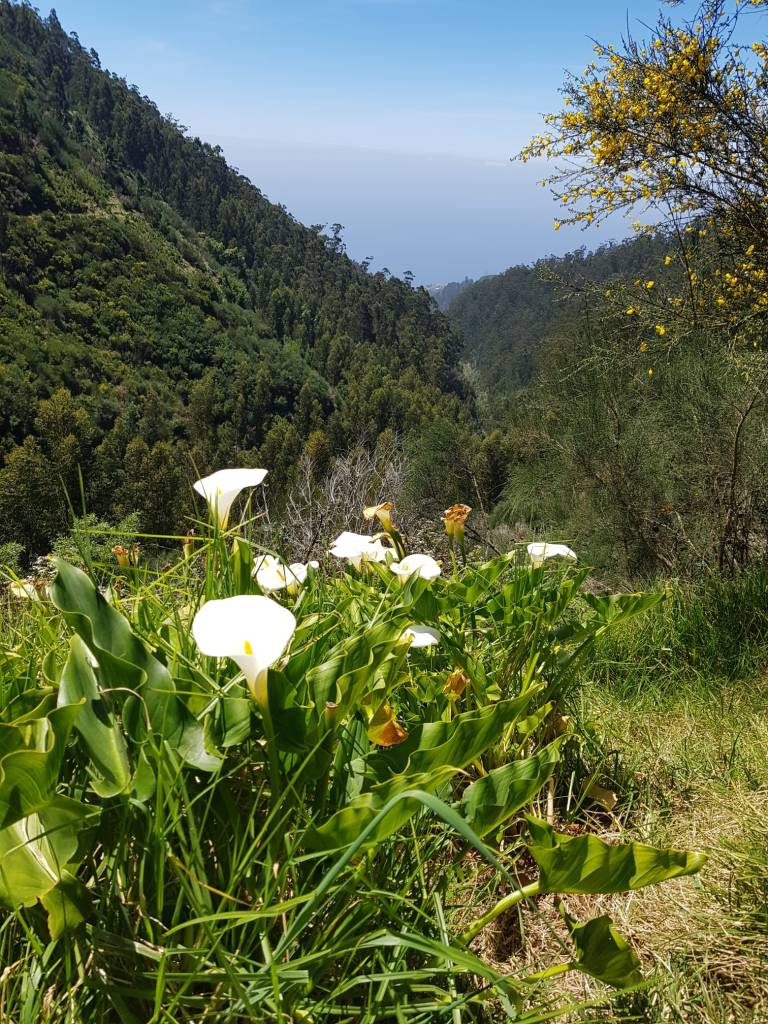
After passing through the tunnel, it feels like stepping into another world. The trees are gnarled, growing in all directions over the path. Often adorned with moss, they lend a magical aura to the forest. The path is well secured with a metal railing, so there’s no need to worry. Thanks to our early start, we encountered no other hikers, and overall, there weren’t many tourists on this trail. Everywhere we looked, we found small springs, and the waterways often ran at hip height, allowing us to refresh our hands in the cool water. The highlight of the hike promises yet another beautiful waterfall, fed by 25 springs, as the name of the hike suggests. This sight was simply magical, and I did my best to capture it in a photo that I would love to share with you.
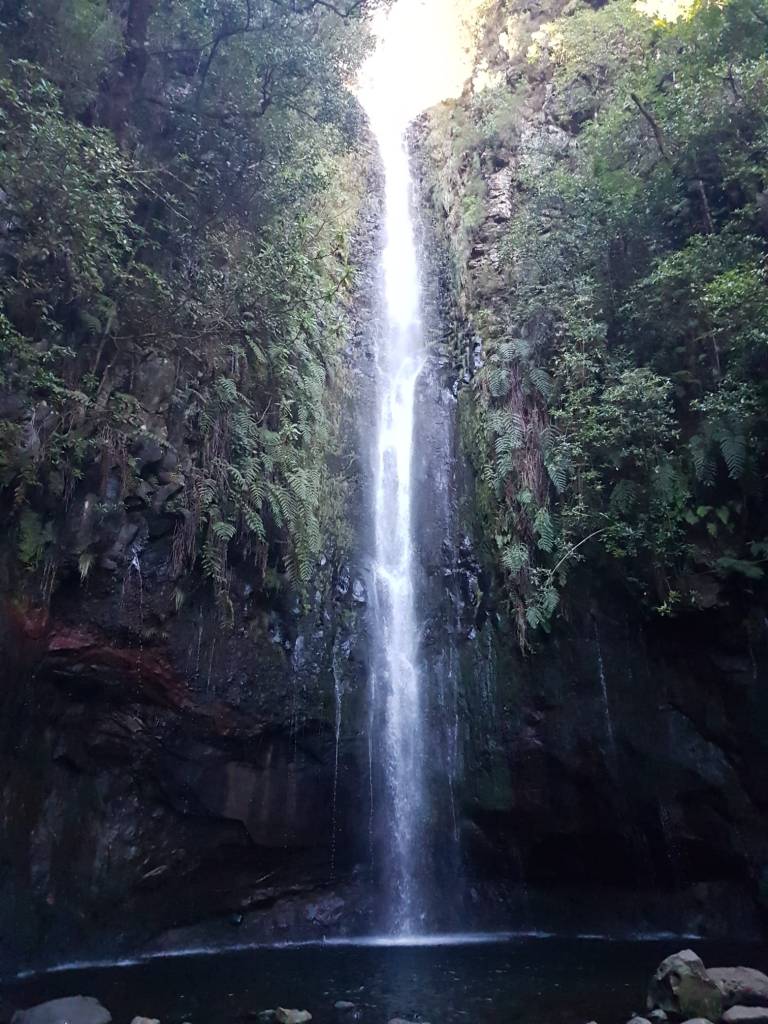
On the way back, we became aware of how popular this hike is among tourists. We even encountered guided tour groups, which made our return journey quite crowded and not very enjoyable. We were redirected along an alternative path to avoid most of the hikers. Fortunately, we were able to enjoy the hike and the impressive power of the waterfall with only a few people around us. I can understand why so many people want to witness this natural wonder.

Levada do Caldeirão Verde (PR9) – [Santana]

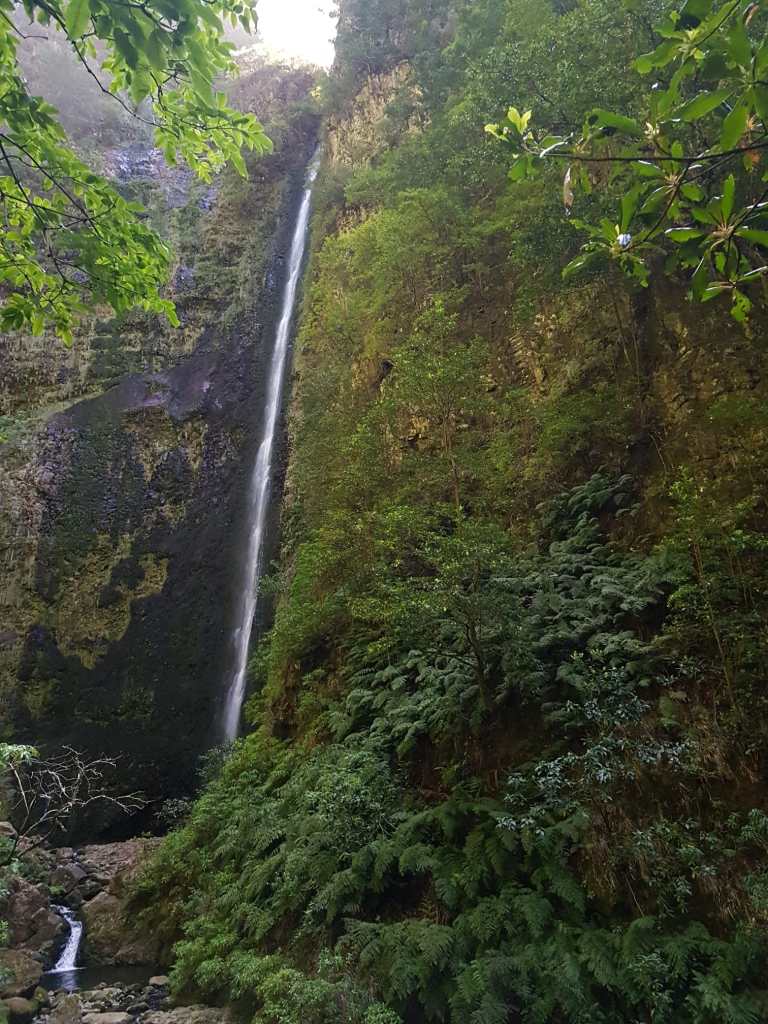
The hike to the “green cauldron” is my personal favorite from the list. Along the way, you’ll encounter several small tunnels that can only be passed through with a flashlight, a smaller waterfall that blends beautifully into the landscape, and once again, breathtaking views. Particularly impressive is the so-called “green cauldron” with its imposing waterfall.

  • Type: One-way
  • Distance: 6,2 km (12,4 km both ways)
  • Duration: approx. 2 hours (4 hours both ways)
  • Starting Point: Forest Park Queimadas
  • End Point: Caldeirão Verde / Forest Park Queimadas (both ways)
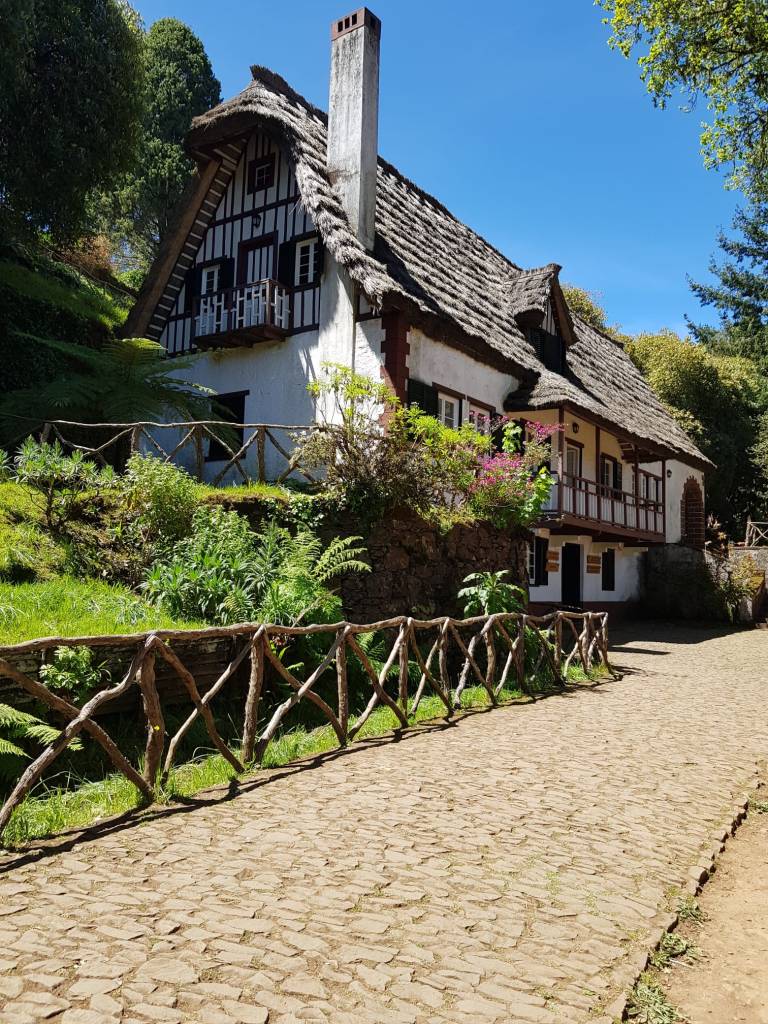
Parking is available either directly at the parking lot in front of the forest park or for free along the roadside leading up to it. On this particular day, we were a bit later than usual (around 1 p.m.), as our original plan was to hike the Levada das 25 Fontes. Unfortunately, the path was closed due to a rally taking place that day, so we ended up driving to Santana almost by chance. As a result, we encountered more people on our hike who were already on their way back. Maneuvering and waiting on the narrow paths cost us some time, but in return, there were hardly any other people at the “green cauldron,” making the experience even more beautiful. On the way back, we hardly encountered any other hikers, allowing us to fully enjoy the trail.
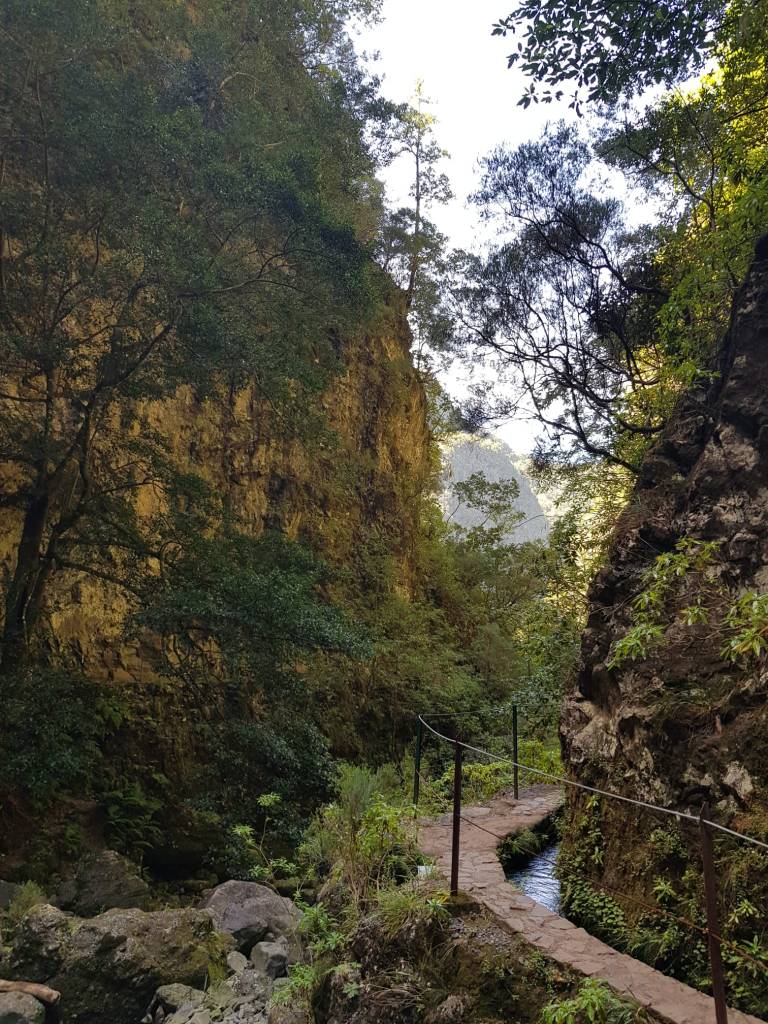
The “green cauldron” with its overwhelming waterfall is the perfect end to a hike along the waterways through the jungle of Madeira. The spring at the foot of the waterfall tempts for a refreshing dip, which unfortunately we did not do during our visit. The surrounding view resembles a scene from Jurassic Park, leaving me in awe of the world once again.

Swimming in the natural pools of the island

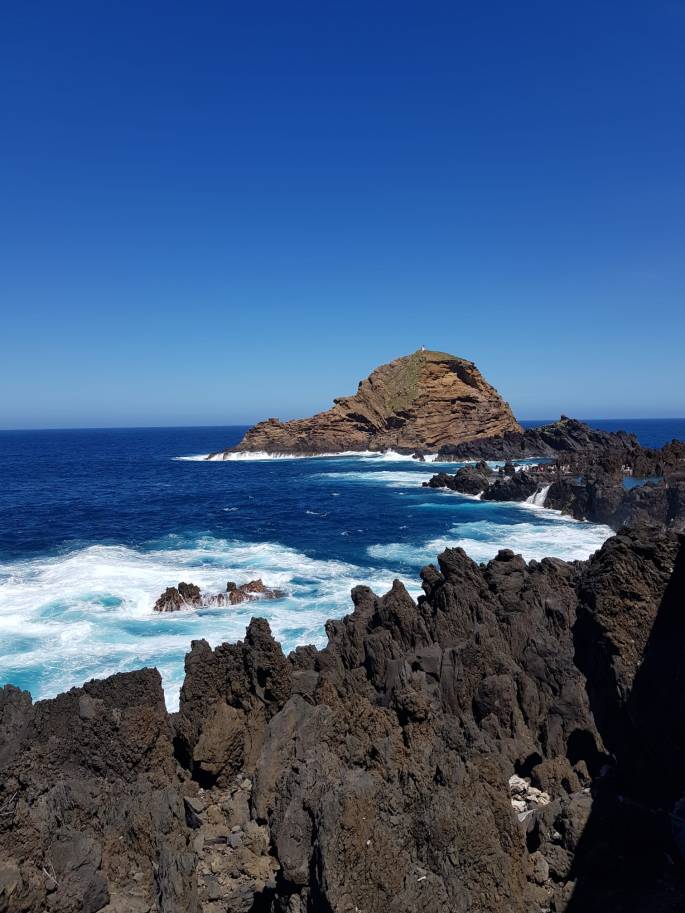
The weather truly spoiled us during our visit in April. With bright sunshine and temperatures ranging from 24 to 30°C, we sought ways to cool off after our hikes. Although the Atlantic was still too rough to go swimming due to the strong winds, we were lucky to find natural pools that had formed from the volcanic rock in some places on the island and proved to be safe places to swim. The water was crystal clear, and we even spotted some fish.
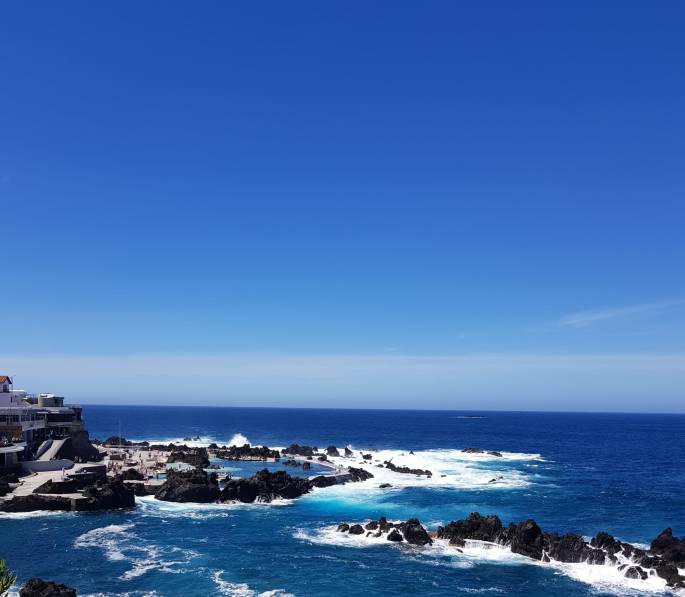
The pool in the picture is located in Porto Moniz and I would highly recommend it. You pay only 4€ for the whole day, and apparently, there’s also a beach bar open in the summer. During our visit, the water was deep blue and crystal clear—a welcome way to cool down. The waves were particularly high that day and crashed forcefully against the edges of the pools, which provided us with great fun. However, it’s important to be cautious on such days and not to lie too close to the edge of the pool, as the waves can push water over the edge, causing many people, along with their towels, to unintentionally take a dip.

Dolphin and WHale Watching Tour by catamaran
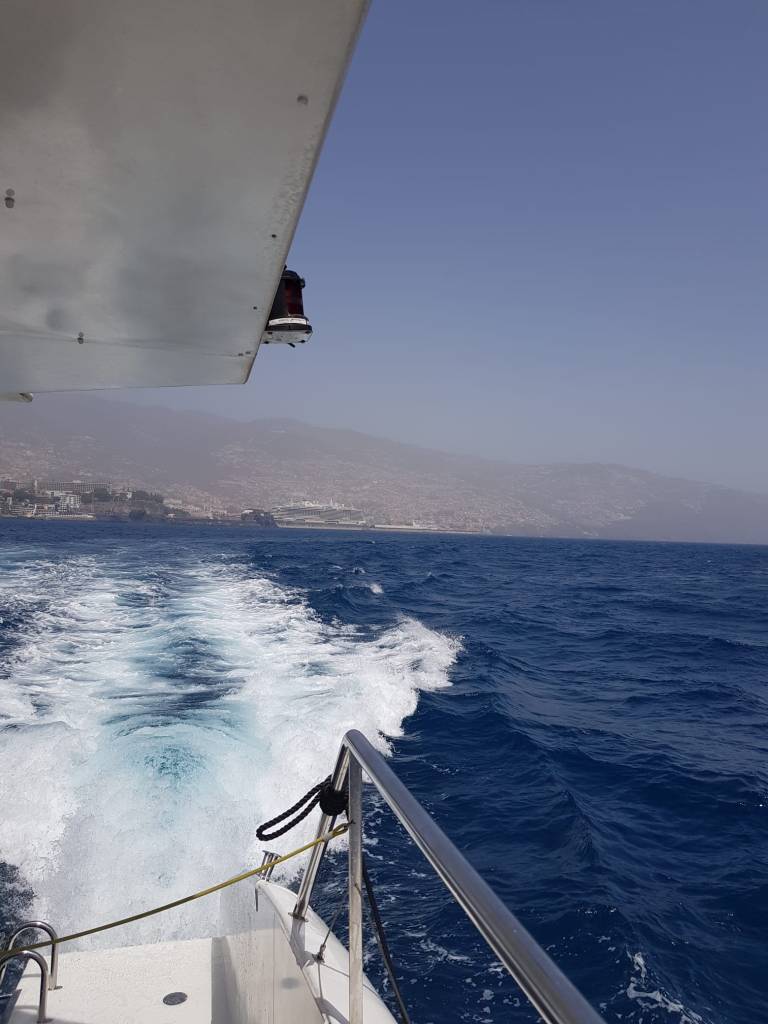
Another highlight of our vacation was the dolphin and whale watching tour on a catamaran. Dolphins and pilot whales inhabit the waters off the coast of Madeira year-round, offering a great chance to encounter both species during the tour. With a bit of luck, you may also see turtles, and the group in the morning was even fortunate enough to spot a blue whale. The journey begins and ends at the port of Funchal and lasts approximately 3 hours. It’s recommended to arrive at the port about 30 minutes before departure to collect your ticket at the counter. We were lucky to catch a good glimpse at the dolphins and pilot whales during our tour. Unfortunately, at that time, I simply enjoyed the sight and didn’t take any photos. It’s also challenging when everything is constantly in motion, and the dolphins and whales refuse to stay still for a photo for my blog.

  • Price Per Person: 35€
  • Start Point / End Point: Port of Funchal
  • Duration: approx. 3 hours

We opted for the Magic Dolphin eco tour and wholeheartedly recommend this provider. The crew was extremely welcoming and provided us with information about the coast of Madeira and its marine inhabitants. With their trained eyes, they could spot the various groups of dolphins and pilot whales from afar. It was important for them to approach the animals slowly and maintain a safe distance to avoid causing them stress. Additionally, we were required to leave a group after a maximum of 10 minutes and were not allowed to approach them further during the tour. I found this regulation very sensible to ensure that the animals can continue to live and thrive in their natural habitat without disturbance.

Sunrise at the pico do arieiro
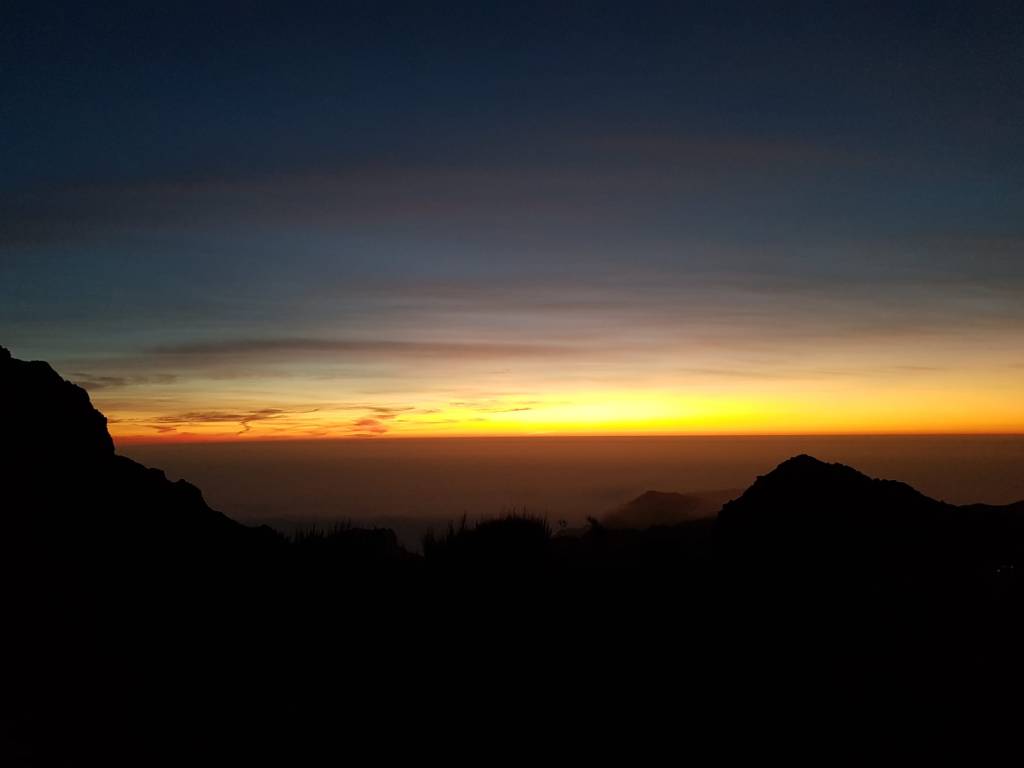
The sight was truly worth the early alarm at 5 a.m., as we set off shortly thereafter for Pico do Arieiro. From the parking lot the view was already perfect, from where the photo also originated. Afterwards, it was just a short hike to the weather station and the summit of the third-highest mountain in Madeira. Once there, one could settle comfortably on the rocks or grass and admire as the sun slowly emerged on the horizon. It bathed everything around it in golden light, casting a warm glow over the sea, mountains, and clouds. This sunrise was one of the most beautiful I’ve seen in a long time, and it felt somehow right to share this moment with a loved one and all the other people around. There was a relaxed atmosphere, almost magical. Later tiredness was easily battled with plenty of coffee and lounging by one of Madeira’s pools or beaches.

Conclusion

Madeira is an island that is becoming increasingly popular among tourists, and rightfully so. From majestic mountains to dreamy coastlines, lush laurel forests to picturesque villages – this island has an unmistakable charm that captivates every visitor.

The diversity of landscapes and the rich flora and fauna make Madeira a paradise for nature lovers and adventurers alike. The numerous Levada hikes offer the opportunity to experience the beauty of the island up close, while the coastline invites exploration with its hidden coves and spectacular cliffs.

I hope that my blog post has sparked wanderlust in some and provided ideas for an unforgettable holiday in Madeira.
Madeira Reisetipps – Aussergewöhnliche Aktivitäten auf der Insel des ‘Ewigen Frühlings’

Die Insel Madeira liegt inmitten des tiefblauen Atlantiks vor der Nordwestküste Afrikas. Die Vulkaninsel zieht mit seinen zerklüfteten Bergen, milden Klima, malerischen Küsten und den üppigen grünen Landschaften Jahr für Jahr Besucher aus aller Welt in ihren Bann. Nicht umsonst trägt sie den Namen “Hawaii von Europa” und die “Insel des ewigen Frühlings”.

In meinem Blogeintrag werfen wir einen Blick auf ein paar der besten Aktivitäten dieser Insel. Von beeindruckenden Wanderungen entlang der Levada, Delfin- und Walbeobachtungen auf hoher See, zu einem atemberaubenden Sonnenaufgang auf dem dritthöchsten Berg Madeiras.

Egal, ob ihr Naturliebhaber seid, gerne Abenteuer erlebt oder einfach nur entspannen möchtet – Madeira hat für jeden etwas zu bieten. Lasst mich meine Erfahrungen teilen und euch dadurch ein paar Ideen für euren eigenen unvergessbaren Urlaub geben!

Wanderungen entlang der levada

Madeira ist ein Paradies für begeisterte Wanderer. Die beliebtesten Routen führen entlang der Levada, künstlich angelegte Wasserläufe, die Regenwasser zu den landwirtschaftlichen Anbaugebieten leiten. Diese erstrecken sich über die gesamte Insel und bieten mit insgesamt etwa 1000 km Wanderwegen ausreichend Vielfalt für Wanderfreunde. Bei meinem ersten Besuch der Insel im April 2024 habe ich 3 der offiziellen Wanderwege erkundet: Levada Nova, Levada das 25 Fontes und Levada do Caldeirão Verde.

Levada Nova (PR 7) – Levada do Moinho [Ponta do Sol]

Durch diesen Rundweg eröffnet sich ein atemberaubender Blick auf die natürliche Schönheit Madeiras. Die Strecke führt durch einen Tunnel, für den eine Taschenlampe von Vorteil ist, sowie entlang eines Wasserfalls, hinter dem man hindurchgehen kann. Also Achtung vor nassen Füßen!

  • Art: Rundweg
  • Distanz: 8,9 KM
  • Dauer: circa 4 Stunden
  • Startpunkt: Igreja da Lombada
  • Endpunkt: Igreja da Lombada

Der Rundweg startet und endet direkt hinter der Igreja da Lombada, wo man mit etwas Glück einen Parkplatz finden kann. Andernfalls ist das Parken in den umliegenden Straßen kostenlos, und man kann das kurze Stück zur Kirche gemütlich spazieren. Ideal ist es, diese Wanderung am Morgen oder späten Nachmittag zu unternehmen, genauso wie bei den anderen Levada-Wanderungen, um den Menschenmassen zu entgehen, die sich sonst schnell bilden können. Ich bewerte die Route Levada Nova – Levada do Moinho als eine leichte Wanderung mit ebenen und gut erhaltenen Wegen. Jedoch muss erwähnt werden, dass nicht der gesamte Weg mit einer Absperrung gesichert ist und es an einigen Stellen eng werden kann, wenn einem Wanderer entgegenkommen. Deshalb ist diese Route eher für trittsichere und schwindelfreie Menschen geeignet.

Wichtig: Der Levada Nova endet an der Metalltreppe, die daraufhin hinabgestiegen wird, um auf den Levada do Moinho zu kommen und den Weg zurück zur Kirche anzutreten. (Warum ich das hier als expliziten Hinweis angebe erfahrt ihr im nächsten Absatz)

Der Rundweg erstreckt sich entlang der üppigen Natur Madeiras und der Ausblick ist wirklich fantastisch. Das erste Mal mit einer Taschenlampe durch einen der Tunnel zu gehen war wirklich ein Erlebnis. Mein persönliches Highlight war der Wasserfall, bei dem ich auf jeden Fall nasse Füße bekommen habe. Aber wann kann man schonmal sagen, dass man hinter einem Wasserfall gestanden hat?! Auch wenn ich hier den Rundweg über den Levada do Moinho angegeben habe, ist dies nicht der Weg den meine Begleiterin und ich bei unserem Besuch eingeschlagen haben. Anstatt die Metalltreppe hinabzusteigen, folgten wir dem Weg weiter und gelangten schließlich zu einem Fluss, den wir problemlos überqueren konnten. Entschlossen, einen Rundweg zu machen, der scheinbar auf der anderen Seite des Flusses verlief, setzten wir unseren Weg fort. Nach einer Weile überquerten wir eine Brücke und konnten die Kirche am Fuße des Berges sehen. Es schien jedoch keinen ausgewiesenen Wanderweg zu geben, und so irrten wir durch eine Bananenplantage und erkletterten schließlich den gesamten Berg zur Kirche entlang eines steilen Trampelpfades. Wir müssen ziemlich amüsant ausgesehen haben, als wir, verschwitzt und mit hochroten Gesichtern, am kleinen Kiosk neben der Kirche etwas zu trinken bestellten, während die anderen Besucher noch frisch und ausgeruht wirkten. Nun ja, wir haben unsere Lektion gelernt, und das nächste Mal werden wir besser recherchieren und einen Artikel über die Wanderung lesen (wie diesen hier zum Beispiel).

Levada das 25 Fontes (PR 6) – [Rabaçal]

Die Wanderung entlang des Levada das 25 Fontes beginnt mit der Durchquerung des längsten Tunnels unter den drei hier aufgeführten Routen. Danach führt sie durch eine zauberhafte Flora, die von knorrigen Bäumen, kleinen Quellen und atemberaubenden Ausblicken auf das üppige Grün Madeiras geprägt ist.

  • Art: “Hin- und zurück”-Tour
  • Distanz: 4,3 km (8,6 km Hin- und Rückweg)
  • Dauer: circa 3 Stunden
  • Startpunkt: Rabaçal (ER105)
  • Endpunkt: 25 Fontes / (Rabaçal (ER105), Hin- und Rückweg)

Für uns war der perfekte Startpunkt der Wanderung der Parkplatz “Parque de estacionamento Levada 25 Fontes”, wo man kostenlos parken kann. An diesem Tag kamen wir gegen 10:30 Uhr an und konnten problemlos einen Platz finden. Später am Tag ist es jedoch auch möglich, entlang der Straße zu parken, obwohl der Verkehr dann etwas chaotischer werden kann. Da wir während unseres Urlaubs im April von sommerlichen Temperaturen verwöhnt wurden, haben wir uns für einen frühen Start bei angenehmen Temperaturen entschieden. Wie bereits erwähnt, beginnt diese Wanderung mit der Durchquerung eines gut 900 Meter langen Tunnels, daher empfehle ich dringend eine richtige Taschenlampe. Unsere Handys konnten den Tunnel kaum ausleuchten, und gelegentlich sind wir unabsichtlich in tiefe Pfützen getreten.

Nachdem man den Tunnel passiert hat, fühlt es sich an, als würde man in eine andere Welt eintauchen. Die Bäume sind knorrig und wachsen in alle Richtungen über den Weg. Oft sind sie mit Moos behangen, was dem Wald ein magisches Flair verleiht. Der Weg ist gut gesichert durch ein Metallseil, sodass man sich keine Sorgen machen muss. Dank unseres frühen Starts kamen uns keine anderen Wanderer entgegen, und auch insgesamt waren noch nicht viele Touristen auf dieser Strecke unterwegs. Überall entdeckten wir kleine Quellen, und die Wasserläufe verlaufen oft in Hüfthöhe, sodass man seine Hände im kühlen Nass erfrischen kann. Das Ziel der Wanderung verspricht erneut einen wunderschönen Wasserfall, der von 25 Quellen gespeist wird, wie der Name bereits verrät. Dieser Anblick war einfach magisch, und ich habe mein Bestes getan, um ihn auf einem Foto festzuhalten, das ich gerne mit euch teilen möchte.

Auf dem Rückweg wurde uns deutlich bewusst, wie beliebt diese Wanderung bei Touristen ist. Wir begegneten sogar Reisegruppen, die mit Führungen unterwegs waren. Dadurch wurde es auf unserem Rückweg teilweise sehr voll, und wir wurden über einen alternativen Weg zurückgeleitet, um Staus zu vermeiden. Zum Glück konnten wir den Hinweg und die beeindruckende Kraft des Wasserfalls mit nur wenigen Menschen um uns herum genießen. Ich kann gut verstehen, warum so viele Menschen dieses Naturwunder sehen möchten.

Levada do Caldeirão Verde (PR9) – [Santana]

Die Wanderung zum “grünen Kessel” ist mein persönlicher Favorit der Liste. Unterwegs erwarten dich mehrere kleine Tunnel, die nur mit einer Taschenlampe zu durchqueren sind, ein kleinerer Wasserfall, der sich malerisch in die Landschaft fügt, sowie erneut atemberaubende Ausblicke. Besonders beeindruckend ist der sogenannte “grüne Kessel” mit seinem imposanten Wasserfall.

  • Art: “Hin- und zurück”-Tour
  • Distanz: 6,2 km (12,4 km Hin- und Rückweg)
  • Dauer: circa 4 Stunden (Hin- und Rückweg)
  • Startpunkt: Forstpark Queimadas
  • Endpunkt: Caldeirão Verde / Forstpark Queimadas (Hin- und Rückweg)

Parken kann man hier entweder direkt auf dem Parkplatz vorm Forstpark oder man kann auch kostenlos am Seitenrand der Straße parken, die zum Forstpark hinaufführt. Wir waren an diesem Tag etwas später dran als sonst (circa 13 Uhr), da wir eigentlich den Levada das 25 Fontes wandern wollten. Leider war uns der Weg aber durch die an diesem tag stattfindende Rally gesperrt und so sind wir eher per Zufall nach Santana gefahren. So kamen uns auf unserer Wanderung mehr Leute entgegen, die sich bereits auf dem Rückweg befanden. Das Ausweichen und Warten auf den engen Wegen hat uns einige Zeit gekostet, aber dafür gab es im “grünen Kessel” dann kaum andere Menschen und das Erlebnis war dadurch nur umso schöner. Auf dem Rückweg trafen wir dann kaum noch auf andere Wanderer, und wir konnten die Strecke in vollen Zügen genießen.

Der “grüne Kessel” mit überwältigendem Wasserfall ist der perfekte Abschluss nach einer Wanderung entlang der Wasserläufe durch den Dschungel Madeiras. Die Quelle am Fuße des Wasserfalls lockt für eine Abkühlung, die uns leider bei unserem Besuch leider verwehrt geblieben ist. Der Ausblick ringsum erinnert an eine Szene aus Jurassic Park und hat mich wieder über die Welt staunen lassen.

schwimmen in den Naturpools der insel

Das Wetter verwöhnte uns während unseres Besuchs im April wirklich. Bei strahlendem Sonnenschein und Temperaturen zwischen 24 und 30 °C suchten wir nach unseren Wanderungen eine Abkühlung. Obwohl der Atlantik durch den starken Wind noch zu rau war, um an den Stränden zu schwimmen, fanden wir Glücklicherweise an einigen Stellen auf der Insel Naturpools, die sich aus dem Vulkangestein gebildet hatten und sich als sichere Orte zum Baden erwiesen. Das Wasser war kristallklar, und wir konnten sogar einige Fische beobachten.

Der Pool auf dem Bild ist in Porto Moniz und wirklich zu empfehlen. Für den ganzen Tag zahlt man dort nur 4€, und im Sommer gibt es offenbar auch eine Strandbar. Bei unserem Besuch war das Wasser tiefblau und klar – eine willkommene Abkühlung. Die Wellen waren an dem Tag besonders hoch und sind mit Kraft an den Beckenrändern gebrochen, was uns großen Spaß bereitet hat. Man sollte jedoch aufpassen an solchen Tagen nicht zu nah am Beckenrand zu liegen, da die Wellen das Wasser über den Rand gedrückt haben und viele Leute samt Handtuch ungewollt baden gegangen sind.

Delfin – und walbeobachtung per katamaran

Ein weiteres Highlight unseres Urlaubs war die Delfin- und Walbeobachtung per Katamaran. Delfine und Grindwale leben das ganze Jahr vor der Küste Madeiras und es besteht eine große Chance beide Tierarten während der Tour anzutreffen. Mit etwas Glück kann man auch Schildkröten erspähen, und die Gruppe am Vormittag hatte sogar das Glück, einen Blauwal zu sichten. Die Reise beginnt und endet im Hafen von Funchal und dauert ungefähr 3 Stunden. Es wird empfohlen, etwa 30 Minuten vor dem Ablegen am Hafen zu sein und sein Ticket am Schalter abzuholen. Wir hatten das Glück, während unserer Tour einen guten Blick auf Delfine und Grindwale zu erhaschen. Leider habe ich zu diesem Zeitpunkt einfach den Anblick genossen und keine Fotos gemacht. Ist auch schwierig, wenn sich alles immer bewegt und die Delfine und Wale nicht stillstehen wollen für ein Foto für meinen Blog.

  • Kosten pro Person: 35€
  • Start / Ziel: Hafen Funchal
  • Dauer: 3 Stunden

Die Tour haben wir mit Magic Dolphin eco gemacht und können diesen Anbieter aus vollem Herzen weiterempfehlen. Die Crew war äußerst herzlich und versorgte uns mit umfangreichen Informationen über die Küste Madeiras und ihre Meeresbewohner. Mit ihrem geschulten Auge konnten sie schon von Weitem die verschiedenen Gruppen von Delfinen und Grindwalen erkennen. Dabei war es ihnen wichtig, langsam an die Tiere heranzufahren und ausreichend Abstand zu halten, um sie nicht zu stressen. Zudem mussten wir eine Gruppe nach spätestens 10 Minuten verlassen und durften sie auf der weiteren Tour nicht mehr anfahren. Ich fand diese Regelung sehr sinnvoll, um sicherzustellen, dass die Tiere dort weiterhin leben und sich wohl fühlen können, ohne gestört zu werden.

Sonnenaufgang Auf dem Pico do arieiro

Für diesen Anblick hat es sich gelohnt, dass der Wecker bereits um 5 Uhr geklingelt hat und wir uns nur kurze Zeit später auf den Weg zum Pico do Arieiro gemacht haben. Vom Parkplatz aus hat man bereits eine perfekte Aussicht, von wo auch das Foto stammt. Danach ist es nur eine kurze Wanderung zur Wetterstation und zum Gipfel des dritthöchsten Berges Madeira. Dort angekommen kann man es sich auf den Steinen oder auf dem Gras gemütlich machen und bewundern, wie die Sonne langsam am Horizont erscheint. Sie taucht alles um sie herum in goldenes Licht und lässt das Meer, die Berge und die Wolken in einem warmen Ton erstrahlen. Dieser Sonnenaufgang war einer der schönsten, die ich seit langer Zeit gesehen habe und es fühlt sich irgendwie richtig an, diesen Moment mit seinen Liebsten und auch all den anderen Menschen um einen herum zu teilen. Es war eine entspannte Atmosphäre und hatte etwas magisches. Die spätere Müdigkeit bekämpft man dann einfach mit ausreichend Kaffee und Faulenzen an einem der Pools oder an einem der Strände Madeiras.

fazit

Madeira ist eine Insel, die bei Touristen immer beliebter wird und das zu recht. Von den majestätischen Bergen bis zu den verträumten Küsten, von den üppigen Lorbeerwäldern bis zu den malerischen Dörfern – diese Insel hat einen unverwechselbaren Charme, der jeden Besucher in seinen Bann zieht.

Die Vielfalt der Landschaften und die reiche Flora und Fauna machen Madeira zu einem Paradies für Naturliebhaber und Abenteurer. Die zahlreichen Levada-Wanderungen bieten die Möglichkeit, die Schönheit der Insel aus nächster Nähe zu erleben, während die Küste mit versteckten Buchten und spektakulären Klippen zum Erkunden einlädt.

Ich hoffe das mein Blogeintrag bei dem ein oder anderem für Fernweh gesorgt hat und das die Liste Ideen für einen unvergesslichen Urlaub auf Madeira bescheren kann.

Tipps Für Deinen Besuch Der Partnachklamm in Garmisch-Partenkirchen (Bayern)

Die Partnachklamm im Reintal nahe Garmisch-Partenkirchen, Bayern, erstreckt sich über eine Länge von 700 m und verdankt ihren Namen dem Wildbach Partnach. Vor mehreren Millionen Jahren höhlten Schmelzwasser und Geröll das harte Felsgestein aus. An manchen Stellen hat der Wildbach die Klamm über 80 m eingeschnitten, was für spektakuläre Aussichten sorgt.

Anfahrt

Die Partnachklamm liegt vom Bahnhof Garmisch-Partenkirchen nur einen Spaziergang entfernt (ca. 50 min) und ist deshalb gut mit dem Zug von München aus zu erreichen. Es gibt ebenfalls einen Ortsbus (Linie 1 oder 2), der zwischen dem Bahnhoh Garmisch-Partenkirchen und dem Olympia-Skistadion verkehrt. Von dort sind es ca. 25 min zu Fuß bis zur Kasse der Partnachklamm.

Die Anfahrt mit dem Auto ist ebenfalls möglich und gegenüber der Olympia-Skistadion stehen ausreichend Parkplätze zur Verfügung.

Kosten und Öffnungszeiten

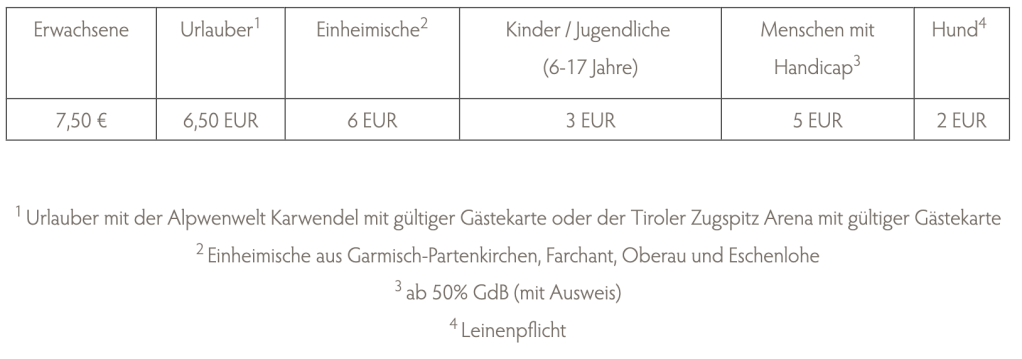
Tickets kann man entweder am Kassenhäuschen vor Ort oder online kaufen. Man kann mit Karte oder auch Bar bezahlen. Ich habe mich bei meinem Besuch für ein Onlineticket entschieden. Diese sind zwar an das ausgewählte Datum gebunden, dafür kann man jedoch einfach die Schlange an der Kasse umgehen und direkt zum Eingang der Klamm weitermarschieren. Besonders in der Urlaubszeit kann ich dies empfehlen, da es auch bei meinem Besuch im März schon sehr gut besucht war. Die Tarife können der Tabelle entnommen werden.

Die Öffnungszeiten sind unterschiedlich zu verschiedenen Zeiten im Jahr.

Juni – September 08:00 – 20:00 Uhr

Oktober – Mai 08:00 – 18:00 Uhr

Der letzte Einlass ist 30 min bevor der Schließung der Klamm.

Besuch

Für den Besuch der Klamm würde ich nochmal 20 – 30 min einplanen, besonders bei einer höheren Besucherzahl. Der Weg verläuft immer auf der einen Seite der Klamm entlang und ist teilweise in den Fels geschlagen. Manchmal sinkt die Deckenhöhe auf gerade einmal 1,75 m und der ein oder andere muss gebückt gehen, um sich nicht den Kopf zu stoßen. Es lohnt sich wirklich ab und zu einfach stehenzubleiben und den Ausblick zu genießen: den wilden Bach, die vielen kleinen Wasserfälle und die Steinformationen sind wirklich spektakulär. Ich würde empfehlen eine Jacke anzuziehen, gerne auch mit Kapuze, da es doch recht feucht ist und durch die kleinen Wasserfälle und den Bach viel Sprühwasser in der Luft ist. Das Rauschen der Klamm ist wirklich einzigartig und man spürt die gewaltige Kraft der Natur. Ich habe gelesen, dass an manchen Stellen sogar 100 Dezibel gemessen wurden – Verrückt! Am Ende der Klamm kann man entweder den selben Weg zurückgehen oder auf dem Weg überhalb der Klamm zurückwandern. Dieser soll ebenfalls sehr schön sein, nur war er leider bei meinem Besuch gesperrt, da es durch den Winter zu umgestürzten Bäumen gekommen ist und die Aufräumarbeiten noch liefen.

Sonstiges

Kinderwagen sind in der Klamm aufgrund des schmalen Weges nicht erlaubt und auch für Rollstuhlfahrer ist dieser Weg leider nicht geeignet. Der Besuch mit Hund ist möglich, jedoch ist dieser an der Leine zu führen. Ansonsten gibt es nicht worauf man groß achten muss und es werden keine Wanderschuhe benötigt, sind aber natürlich empfohlen, falls man danach noch eine kleine Wanderung durch die durchaus schöne Natur machen möchte.

Fazit

Der Besuch der Klamm ist meiner Meinung nach ein tolles Ausflugsziel in Bayern und kann auch gut mit einer ausgedehnten Wanderung oder einem Besuch von Garmisch-Partenkirchen verbunden werden. Die Anfahrt ist einfach und der Weg zur Klamm auch für Nicht-Wanderer leicht zu schaffen. Der einzige Nachteil sind die hohen Besuchermassen, aber das ist natürlich bei so einem Ausflugsziel oft nicht zu vermeiden. Wahrscheinlich hat man die besten Chancen auf eine ruhige Tour, wenn man bereits zur Öffnung oder 30 min vor Schließung die Klamm besucht. Ich würde auch beim nächsten Mal das Online-Ticket nutzen und einige Minuten Wartezeit sparen. Außerdem werde ich beim nächsten Mal die Wanderung zurück über die Klamm bestreiten, da der Ausblick bestimmt auch ziemlich atemberaubend ist.

Skiing into the Unknown: A Beginner’s Journey on the Slopes

As I stand at the base of the mountain, surrounded by towering peaks and the promise of adventure, a mix of excitement and nerves courses through my veins. Today marks a significant milestone – my very first time on skis. With the sun casting a warm glow on the snow-covered slopes and the crisp mountain air invigorating my senses, I’m ready to take the plunge into the exhilarating world of skiing.

After mastering surfing earlier in the year, it seemed only fitting to tackle skiing next. Moving to southern Germany almost mandates learning to ski, as everyone seems to talk about it once the Advent season begins. It feels like people here learn to ski before they learn to walk.

Join me on this journey as I navigate the highs and lows of learning to ski. From the initial wobbles and falls to the triumphant moments of mastering a new skill, I’ll be sharing the exhilarating highs and humbling lows of my skiing debut. Whether you’re a fellow newbie seeking guidance or a seasoned pro looking to relive the thrill of those early days on the slopes, come along as we carve our way through powder paradise together.

The Ski resort & Accommodation

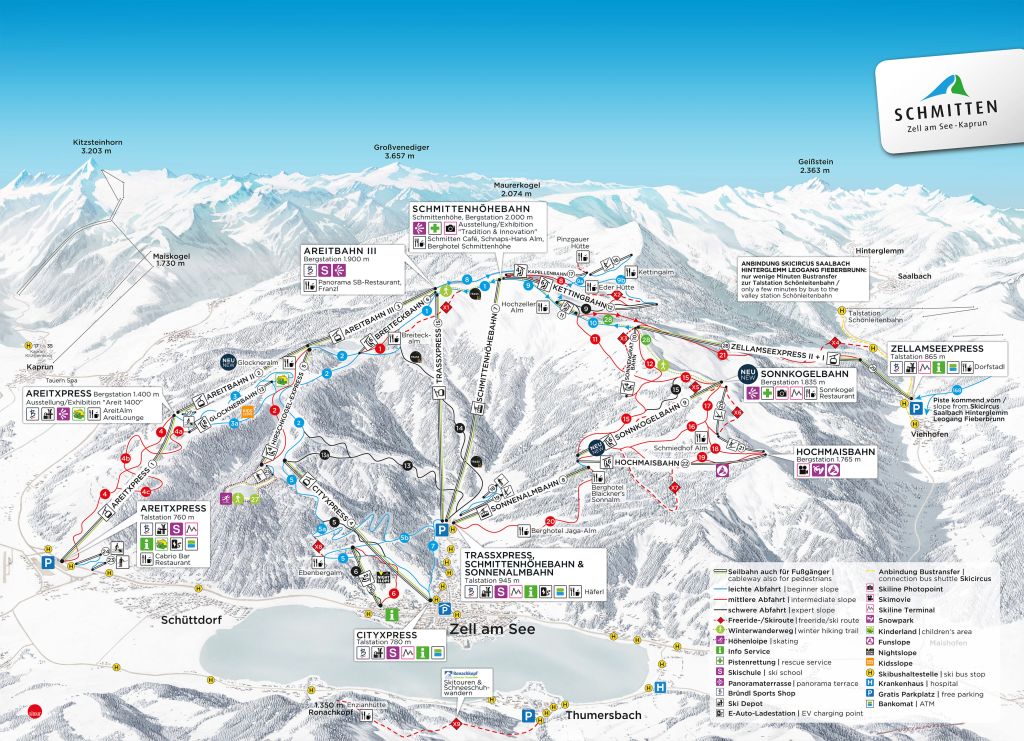
The chosen ski resort was Zell am See, specifically the Schmittenhöhe, as I had already explored the region in the summer with my partner. This ski area caters to every level of skier (blue – beginner: 30km of pistes, red – intermediate: 28km of pistes, and black – advanced: 19km of pistes). The daily price of €65 for adults is quite painful for the wallet, but it grants access not only to the Schmittenhöhe but also to two other areas (Kaprun and Maiskogel), increasing the available kilometers of slopes. The three areas of Kaprun, Maiskogel, and Schmittenhöhe can be accessed interchangeably via ski lifts or buses. We didn’t stay directly in Zell am See but rather a short distance away at the Hotel LukasMayr in Bruck an der Großglocknerstraße. The Hotel LukasMayr is a 3-star hotel offering half-board, which is highly recommended after a long day in the mountains. This meant we didn’t have to worry about breakfast or dinner and could help ourselves to the buffet after a long day. Only drinks during dinner had to be paid for separately. We enjoyed our stay there, and for the price, the offer was really quite good.

Ski school & Tips for Beginner

Following the advice of our skiing friends and colleagues, we opted for three days of adult ski school. Fully equipped with borrowed gear from friends and rental skis, we made our way to the base station in the morning. Despite having purchased a four-day ski pass in advance, upon arrival, we discovered it wouldn’t be necessary. Fortunately, the lady at the counter was kind enough to refund our tickets, allowing us to save quite a bit of money, which we then spent on the rather overpriced culinary offerings at the mountain huts (I’ve never eaten such expensive fries!).

The ski school was conveniently located right at the base station, offering the perfect setting for learning to ski. Unfortunately, it was very cold at night, and during the day, temperatures climbed into the plus range, causing the slopes to freeze in the morning and slowly thaw over the course of the day. As beginners, and probably even as regular skiers, this wasn’t ideal. However, we didn’t want to complain and managed to handle it with ease. Our group consisted of 8 people for the next few days, which, in my opinion, was a bit large. With our ski instructor rotating attention among us, we often found ourselves waiting for our turn. Nevertheless, we quickly grasped the basics of “pizza” and “french fries” skiing, allowing us to navigate our first turns with relative ease.

After hours on the small slope and countless rides on the Magic Carpet ski lift, we finally tackled our first little blue slope. The T-bar lift was a bit tricky, and the first few times I spectacularly fell when getting off, but after several attempts, I got the hang of it. The slope was a bit steeper than the hills we had tackled before, so I descended cautiously at first. After a few runs, I became more confident, but then fatigue started to set in. Learning to ski is more exhausting than one might think, as it requires intense concentration and initially, you tend to tense up and use all sorts of muscles.

Tackling the slopes

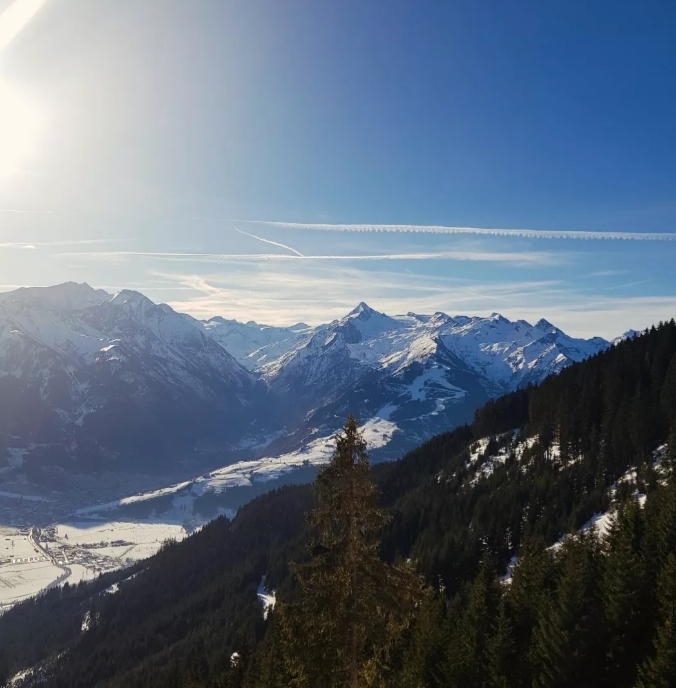
After three days of ski school, we were still complete beginners, but we didn’t want to miss the chance to explore the mountains on our own for a day. So, on the last day, we purchased a day pass and took the gondola up to nearly 2000 meters. The weather couldn’t have been better, with brilliant sunshine overhead.

The first thing on our agenda was to study the map with the marked pistes. We had done some research the day before and found out that Glocknerwiese is supposed to be very suitable for beginners. However, getting there was not so easy for us, as we took several extra rounds on the chairlift until we finally reached the right piste. Glocknerwiese is a very wide slope with plenty of space for practice. My first thought, though, was that it looked much steeper than the runs we had mastered in the past few days. After a brief pep talk to myself and a prayer to the universe, I set off downhill. At first, I was very stiff with the skis in a snow plow, but after a few minutes, I was able to relax a bit and enjoy making turns. Braking before the chairlift still worried me, but luckily I didn’t crash into anyone (phew). After a few runs, we were pretty hungry and decided to take a lunch break.

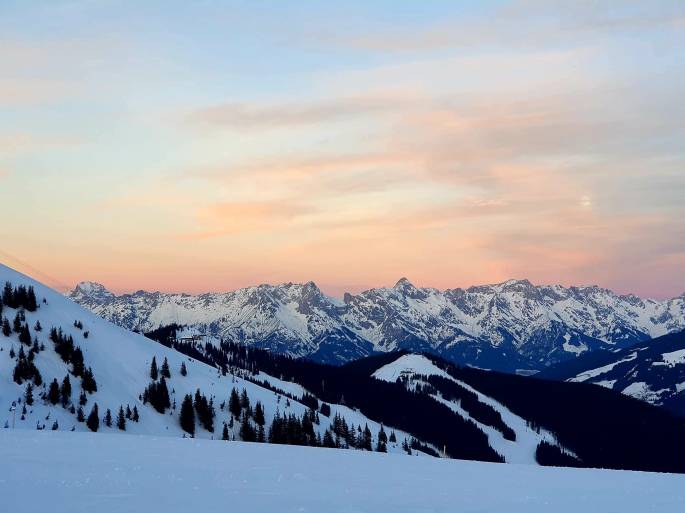
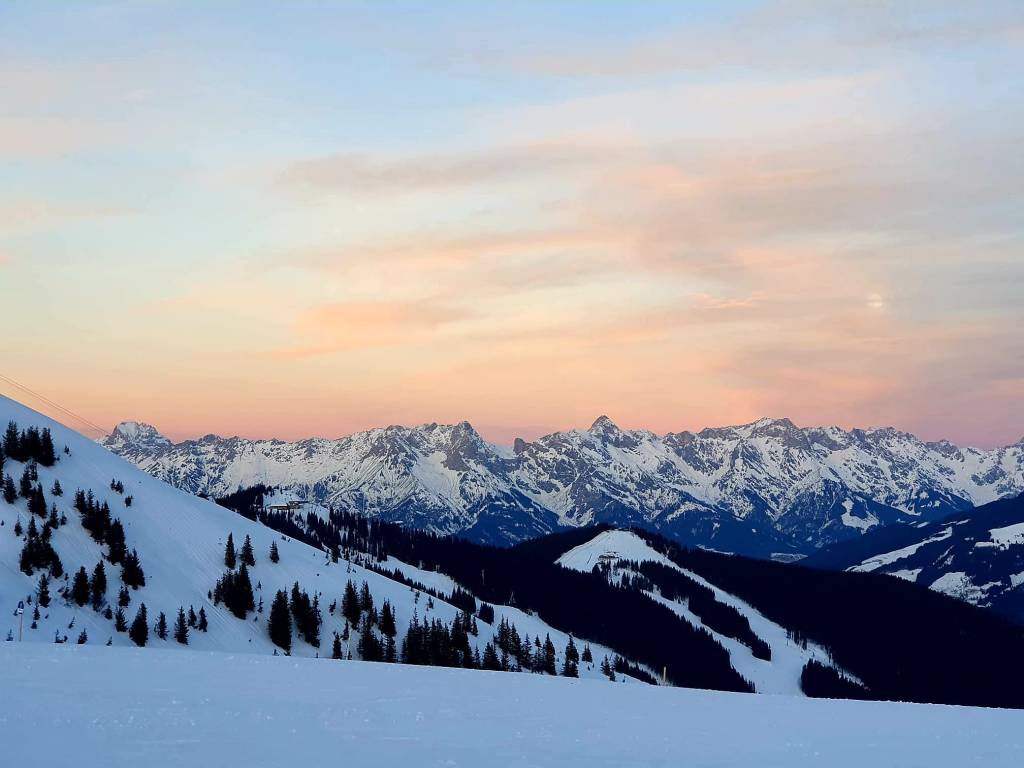
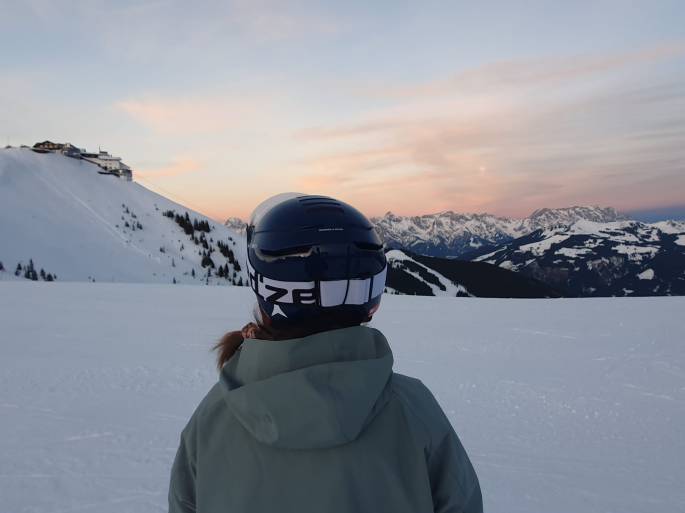
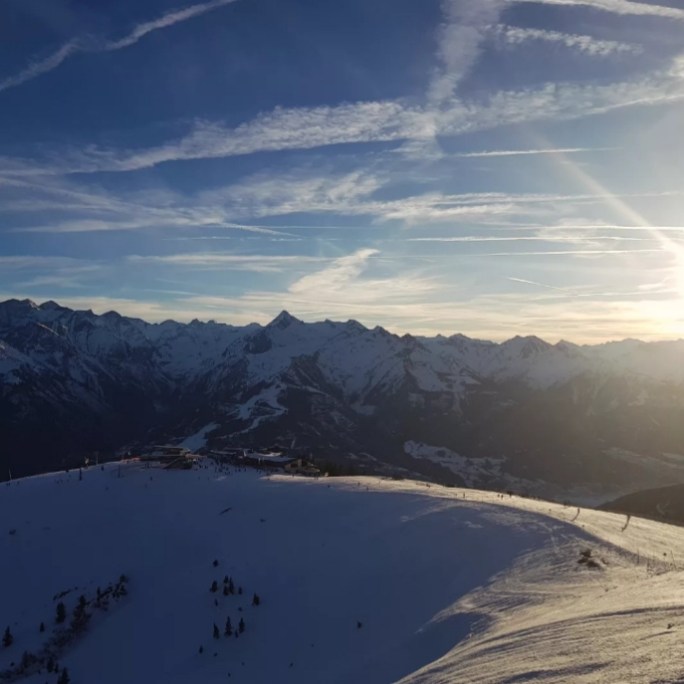
After indulging in a well-deserved Germknödel swimming in vanilla sauce, we headed back to the slopes. We had enough of the ‘beginner slope’ and wanted to try out a few other blue runs. Unfortunately, we didn’t read the signs properly, and we accidentally ended up on a red slope, which was much steeper than anything we had skied before. I felt like my ‘pizza’ wasn’t enough there anymore, and I fell several times in a row, simply sliding down the mountain on my backside. It really dented my ego, and I needed some time afterwards before I was ready to continue. After that, things went much better, but I still had a lot of respect for the speed, and I need more practice before I can shake off the fear and feel comfortable going faster. The last run we did was actually the most beautiful, as the sun began to set slowly, and the view was magnificent. This slope wasn’t as steep, and it ran perfectly straight, allowing us to pick up some speed without much risk of hitting anything or anyone. Afterward, we stopped at the lodge for drinks and food, enjoyed the sunset, and then took the lift back to the base station, exhausted but happy.

In hindsight (More Ski Adventures in the Future?)

The first time skiing was truly a completely new experience, often pushing me to my physical limits and requiring me to overcome mental barriers as well, simply trusting in myself and my abilities. The Schmittenhöhe ski resort is indeed a beautiful one, with plenty of blue and red slopes catering to beginners and leisure skiers alike. The accessibility of the lifts and the parking situation in the valley aren’t bad at all, as we managed to find a parking spot every morning. However, this might change during peak season when more people flock to ski and snowboard. Nevertheless, there’s a shuttle bus service available that runs relatively frequently and is free to use.

Taking ski lessons for beginners is fine for getting some basic skills down. However, in hindsight, I would suggest booking a couple of private lessons as you can learn much more and with greater focus. Having an instructor solely dedicated to you or a small group allows for faster progress in building confidence on skis, mastering better turning techniques, and especially learning effective braking. Often, I felt that the ‘pizza’ technique wasn’t ideal for braking on the slopes, and there were moments of hoping not to collide with people waiting at the ski lifts. Overall, it was a lot of fun, and I definitely want to go skiing more often and take advantage of living so close to the mountains while I can.

England – Surf, Sand, and Summit: A Beginner’s Guide to Exploring Cornwall’s Waves and Trails

The sea has captivated me my entire life. It’s always there, a constant factor in my life, yet it looks different every day. Sometimes the sea is rough and unpredictable, with high waves breaking on the shore and carrying everything away. Other times it’s gentle in the sunlight, sparkling like millions of diamonds. No matter how far I live from the sea, I hear its call and its pull on me back to its shores. For many, there’s no better way to immerse themselves in the power and beauty of the ocean than through the exhilarating sport of surfing and that is what I had to experience for myself.

In this blog post, we’re delving into the personal journey from the anticipation building on the drive to the coast (and the nerve-racking drive on the “wrong” side of the road itself) to experiencing the thrill of surfing for the very first time in Cornwall. Oh, and spoiler alert: Me and my partner also embarked on a brief hike along Cornwall’s stunning coastline, which turned out to be quite different from our expectations. But more on that later.

The Journey Begins

Nestled along the rugged coastline of southwestern England, Cornwall boasts some of the most picturesque beaches in the United Kingdom. It’s a place where the land meets the sea in a dramatic collision of cliffs and waves. My partner and I set out on our first camper van holiday together. As someone who had never driven on the “wrong” side of the road before, it made me anxious, resulting in sweaty palms and plenty of swearing due to the seemingly narrow roads and countless roundabouts. I was relieved to spend most of the journey in the passenger seat, taking in the scenery and enjoying the ride.

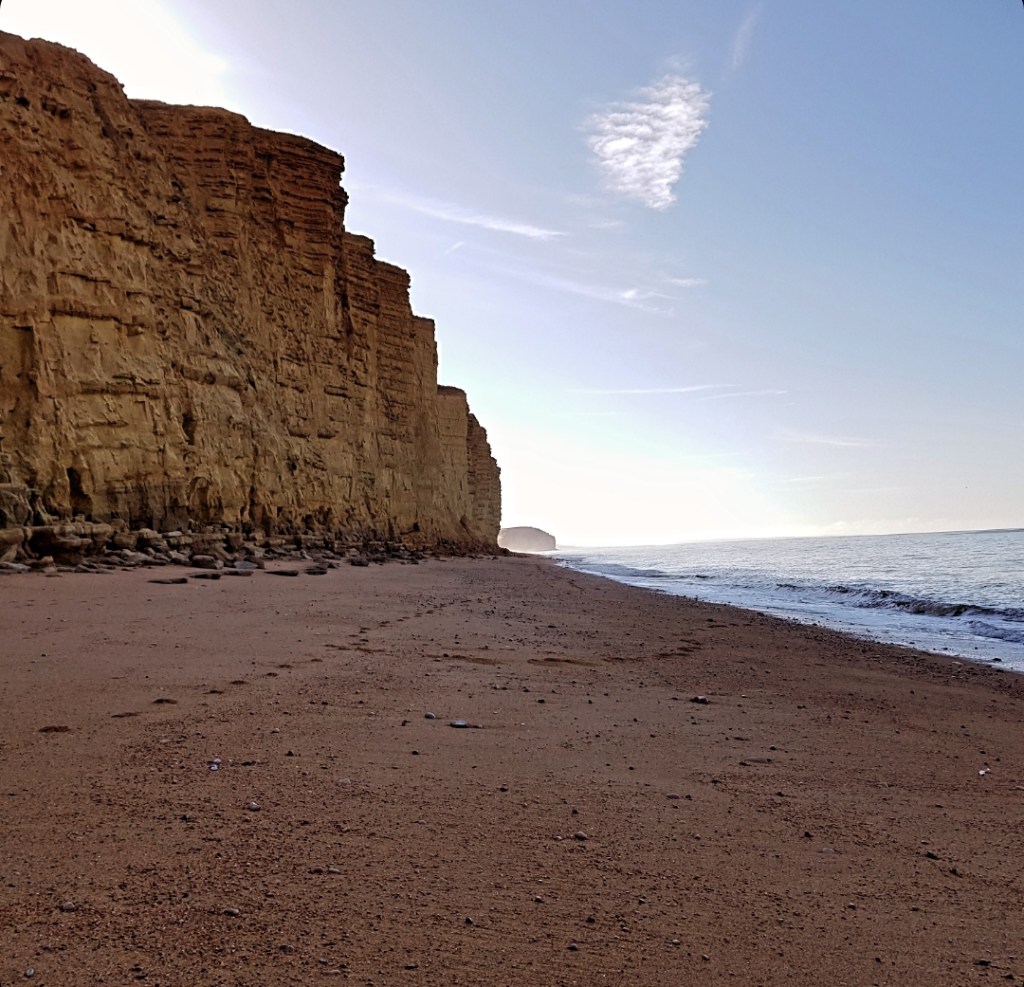
Our first stop in the southwest of England was Eype, Dorset, where my partner spent many wonderful hours as a child, among other things, skipping stones. The weather was perfect, with bright sunshine and pleasant temperatures, something not always expected in England, even in summer. We sat on the sand and watched a breathtakingly beautiful sunset, which bathed the cliffs in golden light. The next morning, we set off before breakfast to hike a small section of the South West Coast Path. Once again, we enjoyed the best weather (little did we know) as we walked from Eype to West Bay. It was a truly relaxing path along green cliffs overlooking the coast. Since we planned to hike a portion of the South West Coast Path after our surfing course, this first section filled us with positive expectations for the next few days (oh, how wrong we were).

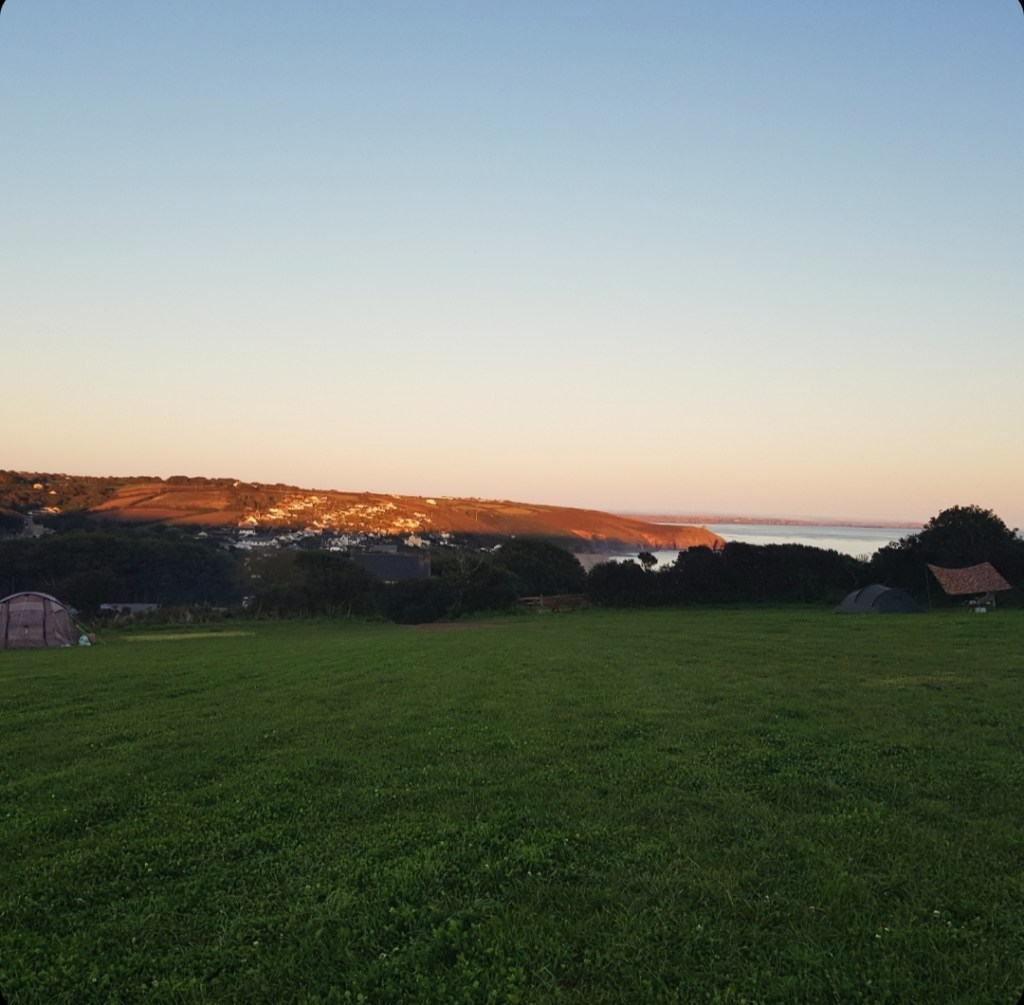
Fueled by a hearty breakfast, we set off for Praa Sands, where we had booked a pitch at the Higher Pentreath Campsite for the next few days. Unfortunately, we had booked too late and didn’t get a pitch with electricity, something I would prefer for next time. Unless, of course, you have a camper with a stronger battery or have put in a good word with the weather gods, because we spent the entire time of our stay battling fog, rain, and perpetual dampness. Nevertheless, it was a cozy campsite, with some extras and satisfactory restroom facilities (unless you place great value on luxury and the absence of spiders). The best part of the campsite was the beautiful view of the beach and the sea, as well as the occasional wonderful sunset. Praa Sands is a nice little town, but there isn’t much to do. So, it was perfect for me and my partner to relax.

Riding The Waves

Thanks to several protected beaches and a variety of surf schools, Cornwall is also a great choice for beginner surfers. For example, we took a two-day course at the Global Boarders Surf School in Gwithian, and I highly recommend it. The beach is sheltered, with perfect waves for beginners, and the entire team was super friendly and welcoming. The only downside, which is unavoidable, is that many groups of various surf schools surf at the same beach and it can get quiet busy. Often, we had to maneuver around or jump off our boards to avoid endangering other beginner surfers and ourselves.

On the morning of our first surfing session, I was feeling quite excited and couldn’t quite envision what lay ahead or how I would perform. I was determined not to embarrass myself, though I couldn’t quite pinpoint who I was worried about impressing. After a brief theory session, we headed straight into the water. Attempting to catch the first waves proved to be more challenging than I initially thought. After many missed waves and even more nose dives back into the water, I finally caught the perfect wave. Immediately, I got onto my knees and then stood up with slightly wobbly legs. When I stood up properly for the first time and didn’t immediately fall back into the water, I felt a surge of joy growing inside me, and I couldn’t help but grin. Of course, I wasn’t particularly fast or graceful in my first attempts at surfing, but the feeling of standing on the board, feeling the wind on my face, and the sun on my skin was simply amazing. However, I quickly found myself back on the beach and had to make my way back into deeper water. This wasn’t easy when the wind was pulling at my board, the waves were trying to push me back to shore, and all the other surfers were more or less trying to go in the opposite direction. At the end of the day, I fell into my sleeping bag, utterly exhausted yet overwhelmingly happy.

On the second day, I found myself less preoccupied with theory and more focused on getting the feel for the right waves and positioning myself correctly on the board. he nose dives became less frequent, and I found myself standing on the board more often. It was a fantastic and liberating feeling. I had missed the ocean immensely, and it was only here that I realized how much it truly meant to me. I felt an inner calmness and tranquility that I hadn’t experienced in a long time. The second day of surfing flew by all too quickly, but it was evident to me that it wouldn’t be my last time, and I had definitely uncovered a new passion. After these two days, I am still very much a novice, but there are already plans to further develop my skills this year, this time in Spain.

The South West Coast Path

The next day began with packing our backpacks and lacing up our hiking boots as we set off on the South West Coast Path. I had never heard of this long-distance trail before and hadn’t done any real research, but after walking the Camino de Santiago the year before, I was eager to hike a section of it. We took the bus to our starting point, St Just in Penwith. After a relaxed walk through the small town, we soon found ourselves surrounded by greenery and getting closer to the sea. The tall, rugged cliffs were a spectacular sight, and as we neared the edge of the cliffs and the sea, the views became even more impressive.

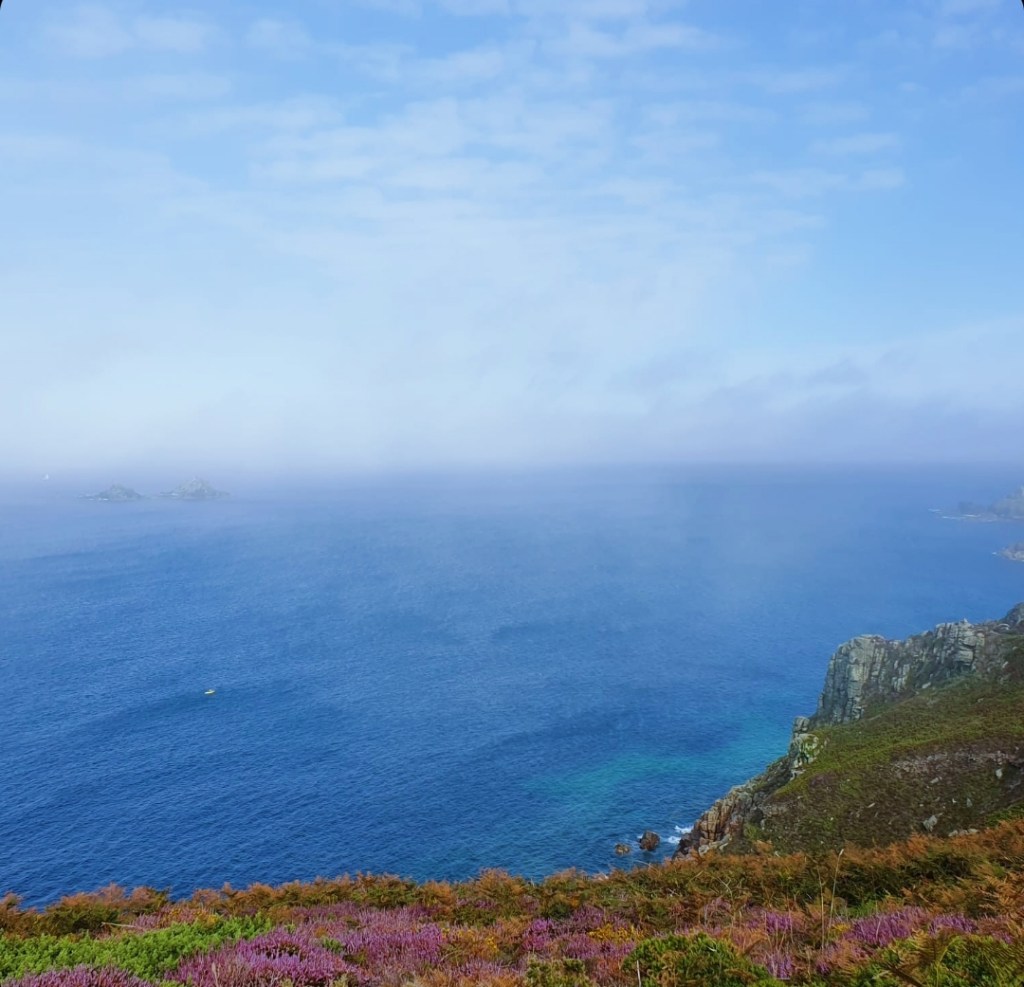
The path hugged the cliff’s edge tightly, gradually ascending higher and higher, while the vast expanse of the sea remained a constant companion. Despite the burning sensation in our legs and the strain of each breath, we pressed on, encountering few fellow hikers along the way. Occasionally, the challenging sections of the path were replaced by flat meadows covered in purple heather, and we could enjoy the views of the numerous coves. After about 8 km, we stopped for the first time at Sennen Cove, at the cozy Sennen Cove Cafe. It felt so good to take the backpack off our aching shoulders, sit down, and take off our heavy hiking boots for a moment to let our feet dry. The food was heavenly after the morning hike, and we almost had to roll out of the cafe because we had eaten so well. However, we weren’t done for the day yet, so we set off again promptly. We still had several kilometers ahead of us, and we had already let a lot of time pass on the trail.

The next stretch of the trail was on slightly easier terrain, and even when it became steeper, we made good progress. Soon, we reached Land’s End, a significant milestone on our hike. Unfortunately, the weather had changed, and a dense fog enveloped the entire length of the coast, limiting our visibility to barely more than the next cove. The view must be overwhelming when the sun is shining, casting everything in warm light and causing the sea to sparkle in the sunlight. We quickly departed Land’s End, as this tourist attraction felt too crowded for us after our peaceful march. After that, it quickly became quiet again, and we were once more at one with nature.

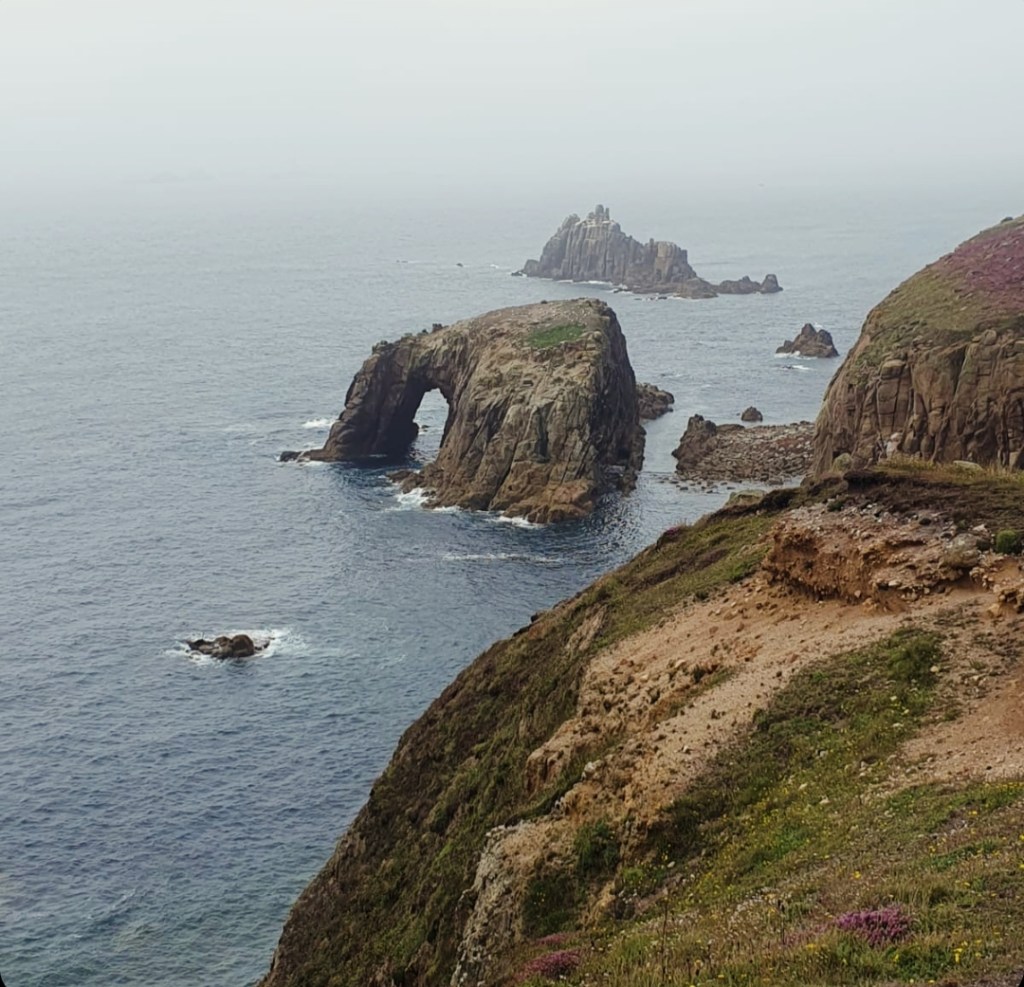
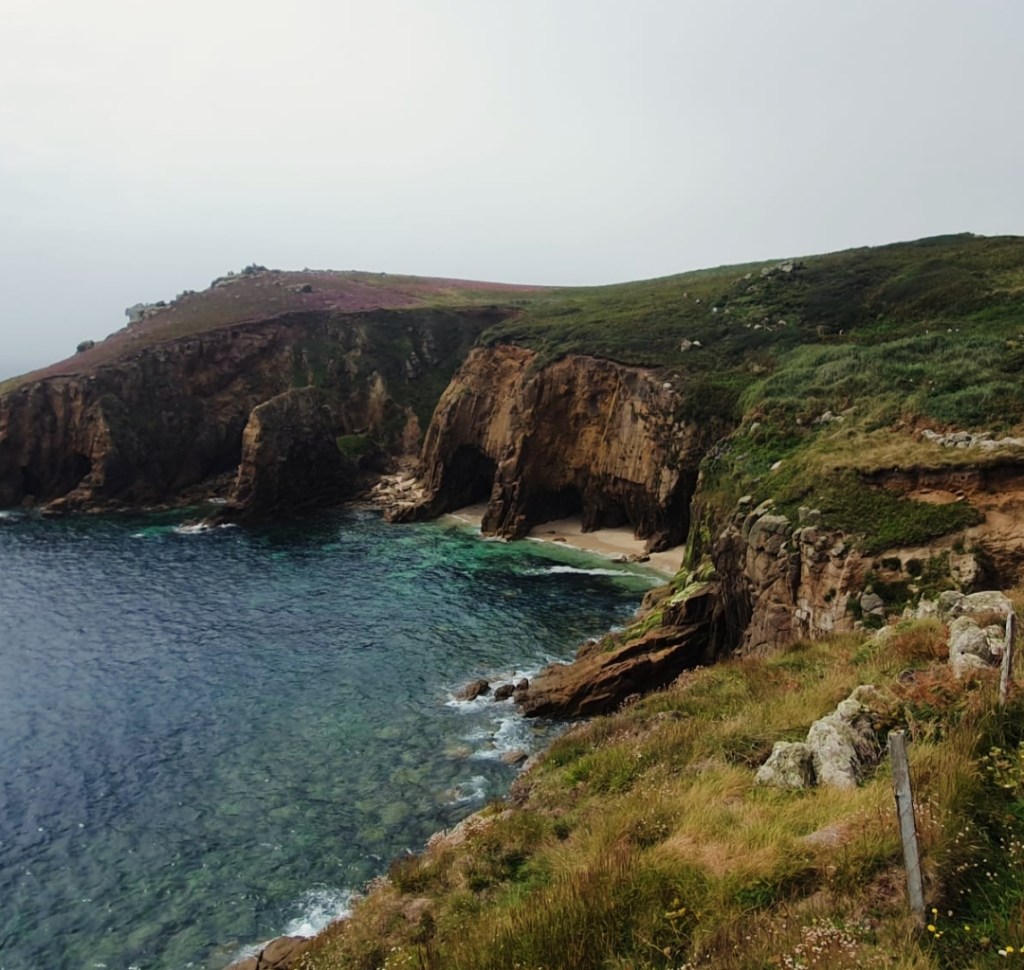
The trail had several highlights to offer, such as Enys Dodnan Arch and Nanjizal Beach. Sometimes, spectacular views only revealed themselves after walking for some time and glancing back at the path we had traversed. For instance, we stumbled upon a cove with numerous deep caves that were completely hidden from view on the other side. With the first signs of exhaustion setting in after another 8 km, we stopped at Porthgwarra Beach and indulged in a well-deserved portion of fries and a Cornish pasty at the Porthgwarra Cave Cafe. At this point, we still had roughly 9 km of trail ahead of us.

The path continuously ascended and descended along the cliffs, with sections where we had to climb over rocks or hug the protective rock face tightly as the cliffs dropped several meters to our right. We had vastly overestimated our abilities. Upon reaching the next major town, we decided to take the bus to get closer to the campsite where we planned to spend the night camping. As soon as we disembarked the bus, it began to pour down rain, adding wet feet to our exhaustion. We opted to take the public footpath instead of being exposed to the speeding cars along the road. However, this path was in rather poor condition, and out of sheer exhaustion, coupled with the bad weather in the middle of summer, I began to shed my first tears. Fortunately, we eventually reached the campsite, set up our tent, and collapsed into our sleeping bags, utterly exhausted, at 7 p.m.

We set off through the lush greenery to rejoin the South West Coast Path. With just a little over 15 km left to our final destination in Penzance, we took our time, savoring the unique landscape around us. The wind gently caressed our faces, the sea sparkled in the darkest blue, and the cliffs were bathed in warm sunlight. With each step, our feet felt lighter. However, in Mousehole, nearing our destination, I began to feel the first blisters, and every step became a struggle. Additionally, the terrain and scenery changed, as the final stretch did not wind through green forests and meadows along the cliffs, but rather beside a well-traveled road on a paved sidewalk. We were relieved when we finally arrived in Penzance, and I immediately seized the opportunity to swap my smoking hiking boots for flip flops. We briefly explored the town, which unfortunately was a disappointment as many places were closed and did not seem inviting. Back at the campsite, we were glad to trade our tent for our comparatively comfortable camper. Despite not researching the terrain beforehand and overestimating our abilities with the number of kilometers for the first day, it was still a fantastic experience that I wouldn’t want to miss. In hindsight, I would love to go back and hike another section of the South West Coast Path, but this time with a comfortable place to stay for the night. The landscape and tranquility experienced on this trail are so different from anything I knew before. There are scattered small towns where you can stop for a break, but there are also vast stretches where you hardly encounter another soul and can simply immerse yourself in the wild nature —a truly liberating journey.

Reflections On The End Of Our Journey

As our journey along the South West Coast Path came to an end, I couldn’t help but reflect on the incredible experiences we had encountered. From breathtaking cliffside views to unexpected challenges, every moment left an indelible mark on my memory. Despite the blisters and exhaustion, the sense of accomplishment was immeasurable. And as I looked back on our adventure, I realized that sometimes, it’s the unexpected twists and turns that make the journey truly unforgettable.

But our adventure doesn’t end here. There are still countless trails to explore, new landscapes to discover, and endless opportunities for adventure waiting just around the corner. So as we bid farewell to the South West Coast Path, I can’t help but feel a sense of excitement for the adventures that lie ahead. Thank you for joining me on this journey, and I hope our paths cross again soon. Until then, happy trails!